
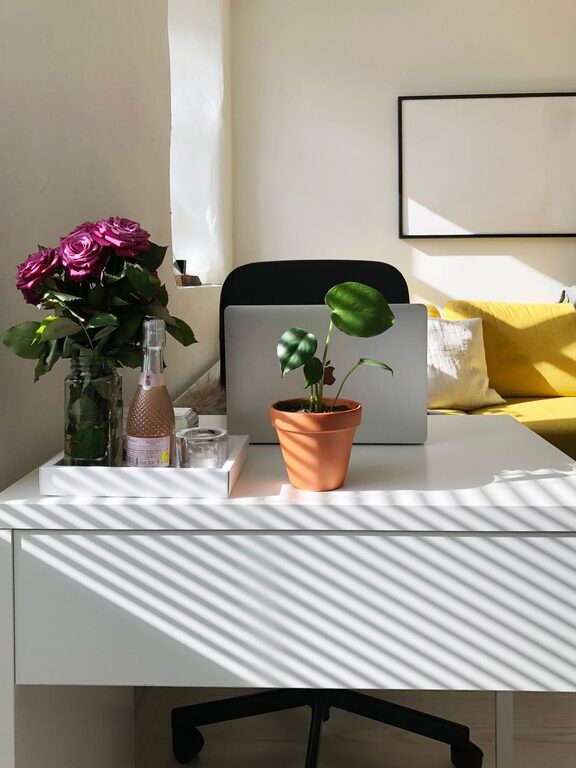
Creating a productive home office environment can make a significant difference in how efficiently and comfortably you work. Whether you’re new to working from home or looking to improve your existing setup, a few thoughtful adjustments can enhance your focus, reduce distractions, and promote a healthy work routine. In this post, we’ll explore practical tips to help you design a productive home office that suits your needs.
Choose the Right Space
Find a Dedicated Area
One of the most important steps is selecting a dedicated space for your home office. Avoid working from your bed or couch, as these spots mix relaxation with work and can reduce productivity. Ideally, choose a quiet corner or a spare room where you can set up without distractions.
Consider Natural Light
Natural light has positive effects on mood and energy levels. If possible, position your desk near a window to benefit from daylight. If natural light is limited, invest in good quality artificial lighting that mimics daylight to keep your workspace bright and welcoming.
Invest in Ergonomic Furniture
Comfortable Chair
Spending hours at a desk means your chair should support your back and promote good posture. Look for an adjustable chair with proper lumbar support to prevent back strain.
Functional Desk
Choose a desk with enough surface area for your computer, notes, and other essentials. Standing desks or adjustable desks can be valuable if you want to alternate between sitting and standing throughout the day.
Organize Your Workspace
Declutter Regularly
A clutter-free desk helps clear your mind and reduce distractions. Keep only the items you use daily on your desk and store the rest in drawers or shelves.
Use Storage Solutions
Implement organizers like trays, file holders, or drawer dividers to keep items in order. Label boxes or folders to quickly locate documents when needed.
Minimize Distractions
Manage Noise
Noise can disrupt concentration. If your home environment is noisy, consider noise-canceling headphones or white noise machines. You might also set boundaries with family members or housemates during work hours.
Set Clear Boundaries
Establish work hours and communicate them to others in your home. This helps reduce unexpected interruptions and signals when you’re not available.
Personalize Your Space
Add Inspiring Elements
Incorporate items that boost your mood and motivation like plants, artwork, or photos. Plants, in particular, can improve air quality and add a calming touch.
Use Color Wisely
Colors can affect your energy and focus. Choose soothing tones like blues and greens for a calm environment, or bright colors like yellow and orange for bursts of creativity.
Optimize Technology and Tools
Reliable Internet Connection
A strong and stable internet connection is essential for online meetings and smooth workflow. Use a wired connection if possible, or invest in a quality Wi-Fi router.
Quality Equipment
Ensure your computer, monitor, keyboard, and mouse are comfortable and efficient to use. Consider external monitors for larger screen space and ergonomic accessories to reduce strain.
Manage Time Effectively
Create a Routine
Stick to a regular schedule to simulate an office environment. Start and end work at the same times each day to maintain balance.
Use Task Lists
Organize your workload with daily or weekly to-do lists. Prioritizing tasks can help you stay focused and track progress.
Take Breaks and Move
Short Breaks
Frequent short breaks help maintain energy and prevent burnout. Try the Pomodoro technique, which includes 25-minute work intervals followed by short breaks.
Physical Movement
Incorporate stretching or walking during breaks to boost circulation and reduce stiffness.
Maintain Good Air Quality and Comfort
Ventilation
Fresh air improves concentration and maintains alertness. Open windows when possible or use air purifiers.
Temperature Control
Keep the room at a comfortable temperature. Adjust fans or heaters as needed to stay comfortable during long work hours.
—
By implementing these tips, you can create a home office environment that supports productivity and well-being. Remember, your workspace should reflect your needs and preferences, so feel free to adapt these suggestions to make the most out of your home office.