
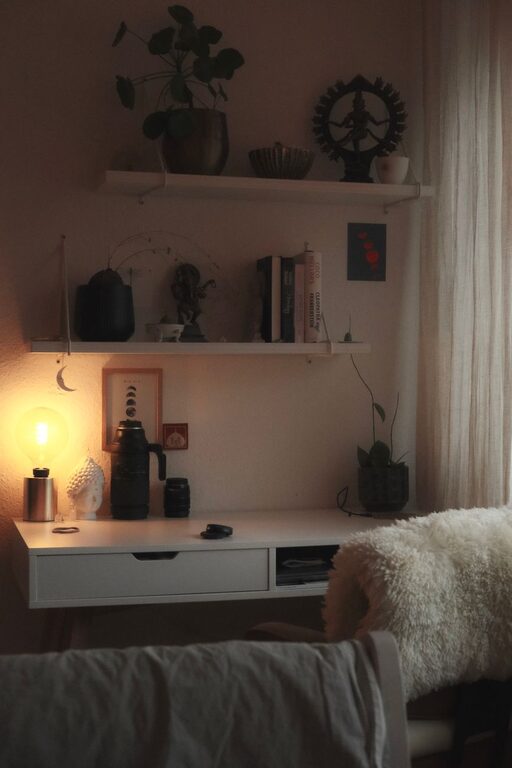
Creating a home office that balances comfort and productivity can transform your work-from-home experience. Whether you’re new to remote work or looking to refresh your current setup, crafting a space that feels inviting yet efficient is key to maintaining focus and motivation. Here are some thoughtful tips to help you build a cozy and productive home office environment.
Choose the Right Location
Find a Quiet Space
Select a spot in your home that minimizes distractions. Ideally, this space should be separate from high-traffic areas like the living room or kitchen. A quiet corner or a spare room can provide the solitude needed to concentrate.
Natural Light Matters
Try to position your desk near a window so you can benefit from natural light. Natural light helps reduce eye strain, lifts your mood, and can improve productivity throughout the day.
Invest in Ergonomic Furniture
Comfortable Chair
A good chair supports your posture, helping you avoid back and neck pain. Look for an adjustable chair that provides proper lumbar support and allows your feet to rest flat on the floor.
Functional Desk
Choose a desk that meets your needs in terms of size and storage. Standing desks or adjustable sit-stand desks are also good options if you want to change positions during the day.
Organize Your Space Efficiently
Declutter Regularly
Keep your desk tidy by removing unnecessary items. A clutter-free environment minimizes distractions and helps you focus on tasks.
Use Storage Solutions
Keep supplies like pens, notebooks, and chargers within reach but out of the way. Use shelves, drawers, or organizers to keep your workspace orderly.
Personalize with Comfort in Mind
Add Soft Textiles
Incorporate elements like a cozy throw blanket, a soft rug, or comfortable cushions to create warmth in the room. These touches can make your office feel more inviting during long workdays.
Include Plants
Adding greenery not only beautifies your space but also improves air quality. Plants can have a calming effect, reduce stress, and boost productivity.
Optimize Lighting
Layer Your Lighting
In addition to natural light, use a mix of ambient, task, and accent lighting. A desk lamp focused on your work area can reduce eye strain, especially in the evenings.
Use Warm Light Bulbs
Choose bulbs with a warm color temperature (around 2700K to 3000K) to create a cozy atmosphere that is easy on the eyes.
Minimize Noise Distractions
Soundproof Where Possible
If noise is a challenge, consider soundproofing measures such as weather stripping around doors, heavy curtains, or even a white noise machine.
Use Headphones
Noise-canceling headphones can help block out distractions and improve concentration.
Establish Boundaries and Routine
Create a Workday Schedule
Set fixed working hours and stick to them. This helps maintain work-life balance and provides structure.
Define Office Boundaries
Communicate with others in your household about your workspace and work hours, so they respect your focus time.
Incorporate Technology Wisely
Reliable Equipment
Ensure you have a fast internet connection and reliable computer accessories to avoid frustration.
Use Productivity Tools
Apps for task management, time tracking, and communication can streamline your workflow and help you stay organized.
Take Breaks and Move
Schedule Break Times
Short breaks throughout the day prevent burnout. Use this time to stretch or take a short walk.
Create a Relaxation Corner
If space allows, set up a small area with a comfy chair for breaks or brainstorming sessions.
—
By thoughtfully designing your home office, you can create a space that fosters productivity while keeping you comfortable and motivated. Remember, the ideal workspace is one that supports your personal work habits and lifestyle. Try these tips to craft a home office where you enjoy spending your workday.